The windy, windy month of August

…blowing winter out the backdoor and new beginnings, fresh growth and warmer days in the front.  So let’s shake those winter blues, get cracking, get planting and get fertilising – spring is right around the corner!

General Tasks

August is an in-between month and the weather is unpredictable.  There is still the possibility of a cold spell, so be cautious with removing frost cover from tender plants too early.

Days are warming up and tend to be very dry and windy.  Stake standards, young trees and climbing plants and check and replace old stakes to prevent wind damage.

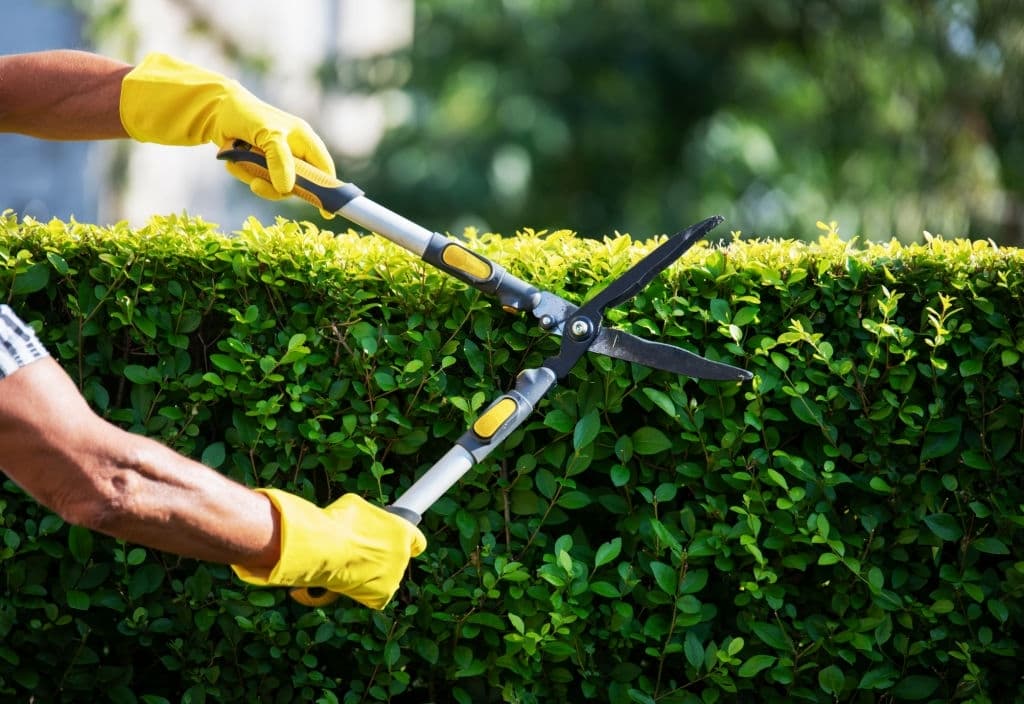
This is the perfect time to tidy up and cut back dead branches and frost damage on shrubs and climbers.  Prune and shape shrubs, climbers and hedges that have finished flowering or will flower after mid-summer on new growth.  Wait until the second half of August to prune frost-sensitive plants.

If you haven’t pruned your roses yet, do so during the first week of the month.  Fertilise with 3:1:5 or Ludwig’s Vigorosa, mulch well and water thoroughly.

Divide perennials like Agapanthus, Hemerocallis and ornamental grasses if you didn’t do so in autumn.  Cut back leaves and replant in freshly composted soil.  Fertilise with an organic 5:1:5 or 2:3:2 and water well.

The watering needs of plants will increase.  Mulch, mulch, mulch with bark chips, nut shells, peach pips, leaves or a good ground cover; anything that will keep moisture in without damaging the soil. Adjust irrigation systems according to plants’ new needs.

In late August give your lawn a ‘spring cleaning’ to ensure a healthy summer lawn. Click |HERE| to read about Spring Lawns or for hands-on tips and information, attend our talk by the very knowledgeable Lawn Doctor, Paul Vonk.

Remove weeds as soon as the little pests appear.  Apply a thick layer of compost on all beds.  It will help to suppress weed growth, provide the nutrition needed for strong and healthy growth and also serve as mulch. 

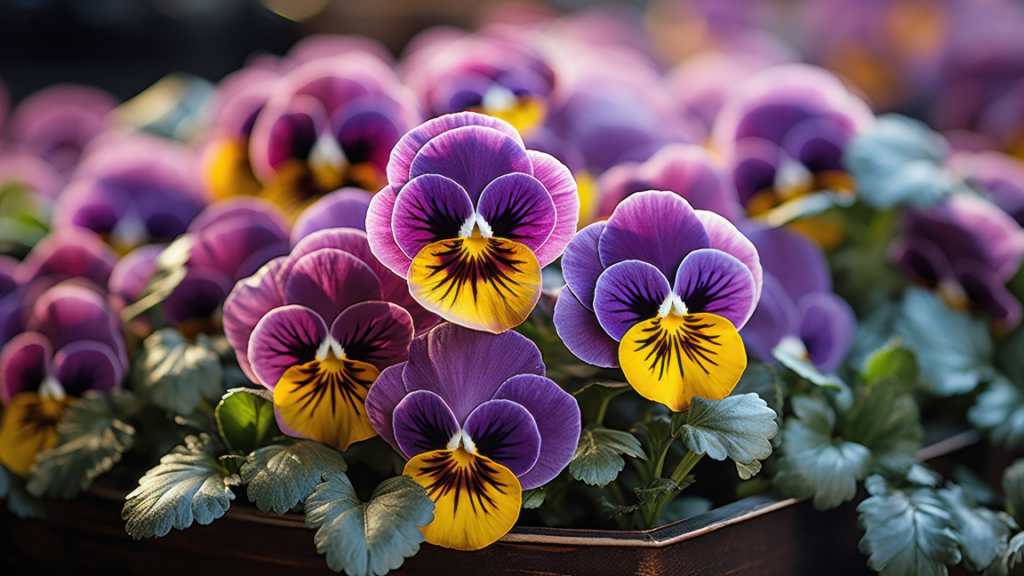
Winter annuals will be in full bloom now. Feed fortnightly with a liquid fertiliser of your choice and pick out all dead flower heads to ensure that their colours brighten up the garden for as long as possible. Remove spent plants and fill gaps with new seedlings or colour bags.
Apply an organic 2:3:2  fertiliser and vermicast according to the recommended dosage to all beds, new plantings and pruned plants to promote strong new growth.

Summer flowering bulbs should hit the shelves at the end of August.  Grab your favourites as soon as you can and plant them for a spectacular summer show.  Feed spring flowering bulbs and bulbs that have completed their flowering with bulb food or an organic 3:1:5 fertiliser to ensure a successful season next year.  Don’t remove the leaves on bulbs that have finished flowering, as they need these to produce food for the developing bulb. For more on correctly fertilising plants, click |HERE|

Acid-loving plants that are showing signs of chlorosis (yellowing of leaves) should be given an application of Iron Chelate according to instructions.  After a fortnight, give them a dose of Magnesium Sulphate (Epsom Salts) and apply a foliar feed of your choice. Mulch with acid compost or Eucalyptus bark. 

Indoor Plants

Re-pot indoor plants or fill up with fresh potting soil. Increase watering as days get warmer and feed with a liquid fertilizer every 3 weeks. Clean the leaves with a soft, damp cloth.
Fruit and Veggies

Plan and prepare beds and planting for spring and summer veg and herbs. If it’s a new bed, remove all weeds, stones and large clots. Dig in a generous layer of quality compost into all beds and allow to rest for a while until you’re ready to plant. Avoid losing the plot (so to speak…) by carefully preparing a planting plan for successive plantings before things get really busy in the veggie patch.

Plant spring herb and vegetable seedlings and plants that are available on the shelves at Lifestyle. Spread an organic snail bait around the young plants to deter snails and slugs.

Sow beetroot, radish, carrots, bush and runner beans and a last batch of peas directly. Sow seeds of green peppers, aubergines, capsicums, lettuce, Swiss chard and tomatoes in seed trays and keep well protected. Transplant when all danger of frost has passed. Learn how to sow seeds |HERE|

Growing your own potatoes is very rewarding.  Seed potatoes are available at Lifestyle at the bulb section. 

Fertilise citrus trees now with organic 3:1:5 and a cupful of Epsom salts (Magnesium sulfate) spread along the dripline of the trees. Water in well.  Spray with a kelp solution to provide trace elements. Start an organic preventative treatment for psylla, if needed.
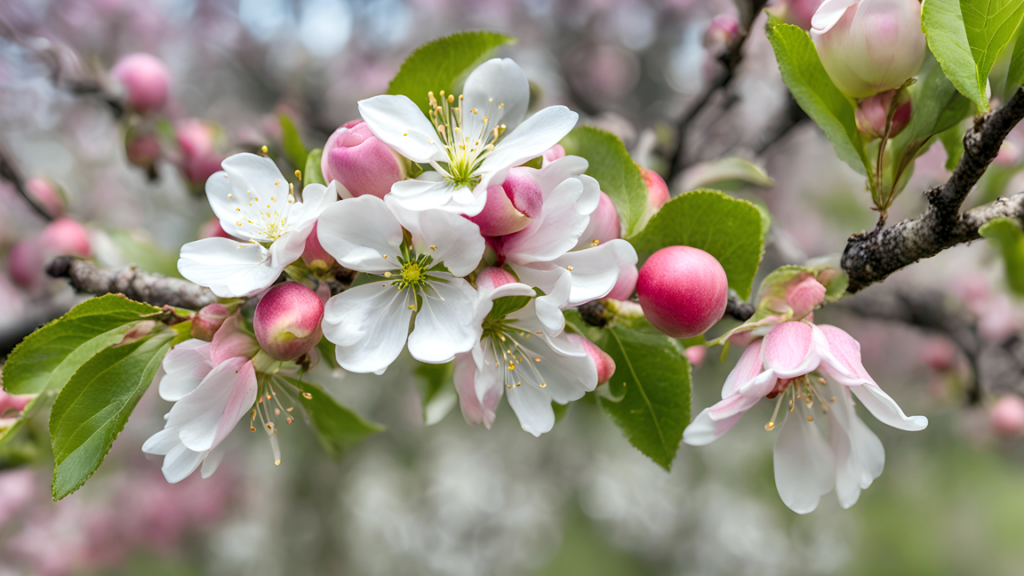
Feed deciduous fruit trees with an organic 3:1:5 fertiliser and water every 10 days. Apply a layer of mulch around all trees to help with moisture retention during the dry, windy months. Your trees should start flowering this month. 

Cut back autumn fruiting berry bushes and canes and plant new berries as soon as they are available for harvesting in autumn. This is also a good time to plant new grape vines.

Winter scale can be a problem on fruit trees and berries. A good product to use for this is Biogrow Pyrol or Oleum. Our Plant Doctor section in-store is the best place to find every sort of insecticide, food, fertiliser and fungicide under the sun- be sure to enquire with our knowledgeable staff should you need any assistance at all.
curtesy of https://lifestyle.co.za/august-in-your-garden/

Staying Safe in the George Mountains

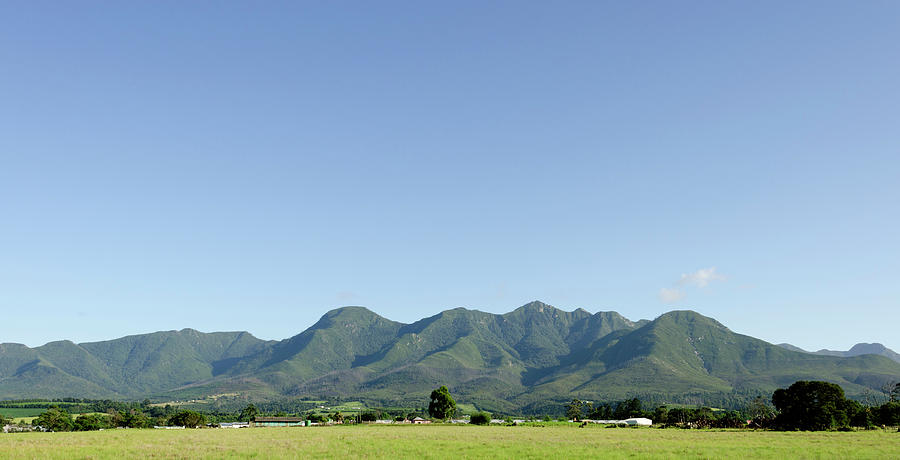
George and its surrounds have one of South Africa’s largest and most diverse mountain network with more than
2000 km available for trail running, hiking, and mountain biking. Access to these various routes is on property
that either belongs to CapeNature, George Municipality, or the Department of Forestry, Fisheries and the
Environment (DFFE).
Hikers, runners, and mountain bikers are encouraged to enjoy the beauty of these areas but are reminded that they
do so in a safe and responsible manner. Note: Certain activities require permits and/or licenses as per Cape Nature
and/or DFFE, Section 23. There are a number of rules and regulations to be adhered to, for your safety.
MANDATORY REGULATIONS
 Access for any activity on the Outeniqua
Mountain Reserve, including, but not limited to hiking, mountain biking, and walking is from 7:30 to 16:00
as per CapeNature Gate Access. Any user outside of these times is illegally on the reserve.
 Access to the lower foothills/forestry is not
permitted before sunrise and after sunset.
 NO overnighting or fires are permitted at all.
 NO dogs are permitted on the Outeniqua Nature Reserve. Dogs on leads are permitted on the
Witfontein Plantation.
 NO motorbikes or quad bikes permitted.
Consider the following to ensure your hike, walk or biking is enjoyable and safe:
Being prepared is key to having a safe and enjoyable experience on trails. Even if you are heading out for just an
hour, an injury, severe weather or a wrong turn could become life-threatening. Never hike alone and pace your hike
to the slowest person in your group. Before heading out on a hike, make sure you have the relevant numbers
programmed into your phone:
The following guidelines will help you ensure a safe hike.
Planning
Plan your hike thoroughly. Pay attention to:

  • Permit requirements and gate times where applicable
  • Your start time and expected finish
  • Pace (3km/h is average)
  • Size of group (preferably three or more) – never hike alone.
  • Capability and responsibility of leader
  • Availability of water
  • Fitness and medical condition of group members – the slowest person determines the pace
  • Informing someone of your plans and expected time of return
  • Leaving a message with your name, size of group, route, expected time of return, and a contact person clearly
    visible in your car
    Weather
    Weather conditions can change very quickly in the mountains, even if the weather is good at lower altitudes. Do not
    attempt to hike if the trail is closed – it can endanger lives. If the weather becomes dangerous, make your way back
    to the start as quickly as possible. Do not attempt to complete the trail.
    Emergency equipment, clothing, and footwear
    Always carry the following items:
  • Torch (with new batteries)
  • Pocket knife
  • First aid kit
  • Waterproof gear
  • 1:50 000 contour map in wilderness areas
  • Compass
  • Space blanket
  • Whistle
  • No less than 1.5 liters of water per person
  • Always use the correct footwear
  • Ensure adequate clothing for sudden weather changes.
    Emergencies
    In the event of an emergency or accident while hiking, keep the group together. Keep moving, if possible. If you are
    unable to continue due to injury or collapse, or if weather conditions become too severe, seek shelter. Stay on or
    close to the path, so that you are visible to a rescue party. Do not stray from a given route.
    Being lost
  • Never descend via unknown kloofs or slopes. Waterfalls, loose stones, and hidden cliffs can be deadly
  • Keep the group together
  • Light and weather permitting, retrace your steps until you reach a known route. Otherwise, camp where you are
    until rescued
  • Use bright items to reveal your position to search teams. Blow a whistle to attract attention
    Serious accidents
  • Stay calm
  • Protect the person/s against further injury
  • Apply first aid
  • Ensure that the rest of the group is safe
  • If possible, send two experienced group members to report the accident. Don’t abandon the injured person
  • Give the authorities the following information: the full name and age of the injured person; the type and severity
    of injury; the location of the accident (preferably on a 1:50 000 map with grid references); the details of the rest of
    the group
    Hypothermia (exposure)
    Wet, windy, and cold weather can lead to hypothermia, which can be fatal. A person can get hypothermic very
    quickly. Symptoms include exhaustion, stumbling, uncontrolled shivering, slurred speech, loss of memory, and
    drowsiness.
    Hyperthermia (heat exhaustion)
    Hot weather, not drinking enough liquids, and exhaustion can cause hyperthermia or heat exhaustion. Symptoms can
    include exhaustion, stumbling, dizziness, headaches, and impaired vision.
    Rescue Operations
    Remember that rescue operations are costly, difficult and can also endanger the rescuers. Make safety your priority!
    Emergency Numbers
    George Fire Services 044 803 6300
    George Police Station 044 803 4733
    Important Contact Details
    CapeNature 081 835 8032
    George Municipal Tourism 044 801 9111
    Witfontein Plantation 087 0874154
    WEES VEILIG IN GEORGE SE BERGE
    George en omgewing het een van die grootste en mees uiteenlopende bergreekse in Suid-Afrika met meer as 2000
    km beskikbaar vir voetslaan, roete-hardloop en bergfietsry. Toegang tot hierdie verskeidenheid roetes is op grond
    wat deur CapeNature, George Munisipaliteit of die Nasionale Departement van Bosbou, Visserye en die
    Omgewing (DFFE) besit word.
    Stappers, roete-hardlopers en bergfietsryers word aangemoedig om hierdie pragtige gebiede te geniet, maar word
    ook herinner daaraan dat dit op ‘n veilige en verantwoordelike manier gedoen moet word.
    Let Wel: Sekere aktiwiteite vereis permitte en/of
    lisensies volgens CapeNature en/of DFFE, Afdeling 23. Vir u veiligheid, is daar n aantal reëls en regulasies wat
    nagekom moet word.
    VERPLIGTE REGULASIES
    o Toegang tot enige aktiwiteit op die Outeniqua -bergreservaat, insluitend voetslaan, bergfietsry en stap, is
    tussen 7:30 en 16:00 volgens CapeNature Hektoegang. Enige persoon wat buite hierdie tye op die reservaat is,
    is onwettig daar.
    o Toegang tot die onderste voetheuwels/bosbou word nie voor sonsopkoms en na sonsondergang toegelaat
    nie.
    o GEEN oornag of vure enigsins toegelaat nie.
    o GEEN honde word toegelaat in die Outeniqua -natuurreservaat nie. Honde op leidrade word
    toegelaat op die Witfontein Plantasie.
    o GEEN motorfietse of vierwielmotorfietse word toegelaat nie.
    Onthou die volgende om te verseker dat jou voetslaan,stap of bergfietsry veilig en pret is:
    Voorbereiding is die sleutel tot ‘n veilige en aangename natuurondervinding. Met net een slegte draai,
    weersverandering of besering kan selfs ‘n uurlange uitstappie lewensgevaarlik word. Moet nooit alleen stap nie en
    handhaaf die pas van die stadigste stapper in jou groep. Voordat jy op ‘n staptog uitgaan, Maak seker dat jy die
    toepaslike nommers op jou vol gelaaide selfoon stoor.
    Die volgende riglyne sal jou help om ‘n veilige staptog te hê:
    Beplanning
    Beplan jou roete sorgvuldig en let op die volgende:
     Permit-vereistes en hek-tye waar van toepassing.
     Hoe laat jy gaan begin en jou verwagte eindtyd.
     Hoe vinnig of stadig jy gaan stap/draf/ry. (3km/h is ‘n gemiddelde stap) – moet nooit alleen stap nie
     Grootte van die groep (verkieslik drie of meer) – moet nooit alleen op roetes gaan nie.
     Vermoë en verantwoordelikheidsin van die leier.
     Beskikbaarheid van water.
     Fiksheid en gesondheidstoestand van die groep – die stadigste persoon bepaal die pas.
     Laat iemand weet van jou planne en die tyd wat julle verwag om terug te wees.
     Los ‘n papier wat maklik raakgesien kan word in jou voertuig met jou naam, grootte van die groep, roete,
    verwagte tyd terug en kontakpersoon op.
    Weersomstandighede
    Weersomstandighede kan baie vinnig in die berge verander, selfs al is die weerstoestande goed laer teen die berg af.
    Moenie probeer om ‘n staproete te doen wat toe is nie – dit kan mense in gevaar stel.
    Indien die weer gevaarlik begin word, gaan so vinnig moontlik terug na die begin van die roete toe. Moenie probeer
    om die roete te voltooi nie.
    Noodtoerusting, klere en skoene
    Dra altyd die volgende items saam met jou:
     Flitslig met nuwe batterye in
     Knipmes
     Noodhulp-sakkie
     Waterdigte toebehore
     1:50 000 kontoerkaart in wildernis-gebiede
     Kompas
     Ruimtekombers (space blanket)
     Fluitjie
     Ten minste 1.5 liter water per persoon.
     Dra altyd die regte soort skoene vir die aktiwiteit wat jy gaan doen.
     Maak seker jy het die regte klere vir skielike weersveranderinge.
    Noodgevalle
    Indien daar ‘n ongeluk of noodgeval is terwyl julle stap, hou die groep bymekaar. Hou aan beweeg indien moontlik.
    Indien iemand nie kan aangaan nie as gevolg van ‘n besering of ineenstorting, of indien die weer te sleg geword het,
    soek skuiling. Bly op of naby die pad sodat jy sigbaar is vir ‘n reddingspan.
    Moenie van die roete afwyk wat jy vir mense gesê het jy gaan volg nie.
    As jy verdwaal
     Moet nooit by ‘n onbekende kloof of helling afgaan nie. Watervalle, los klippe en versteekte klowe kan
    dodelik wees.
     Hou die groep bymekaar.
     Indien die lig en weer dit toelaat, probeer om jou voetstappe terug tot op die bekende roete te vind.
    Andersins moet jy eerder kamp waar jy is totdat ‘n reddingspan jou vind.
     Gebruik helder items sodat soekspanne jou posisie maklik kan vind. Blaas ‘n fluitjie om aandag te trek.
    Ernstige ongelukke
     Bly kalm
     Beskerm die persoon/e teen verdere beserings.
     Doen noodhulp.
     Verseker dat die res van die groep veilig is.
     Indien moontlik, stuur twee ervare groeplede om die ongeluk aan te meld. Moenie die beseerde persoon
    alleen laat nie.
     Gee die owerhede die volgende inligting: volle name en ouderdom van die beseerde persoon; tipe en
    omvang van die beserings; die ligging van die ongeluk, verkieslik op ‘n 1: 50 000-kaart met blok-verwysings;
    besonderhede van die res van die groep.
    Hipotermie (blootstelling)
    Nat, koue en winderige weer kan maklik tot hipotermie lei, wat dodelik kan wees.
    Simptome van hipotermie sluit in uitputting, struikelende treë, onbeheersde bewerasies, slepende spraak,
    geheueverlies en slaperigheid.
    Hipotermie (hitte-uitputting)
    Baie warm weer, inname van te min vloeistof en uitputting kan ook tot hipotermie of hitte-uitputting lei.
    Simptome van hitte-uitputting sluit in uitputting, struikelende treë, duiseligheid, kopseer en sigversteurings.
    Reddingsoperasies
    Onthou dat reddingsoperasies duur en moeilik is en reddingspanne se lewens ook in gevaar gestel word. Maak
    veiligheid jou prioriteit!
    Noodnommers
    George Brandweer 044 803 6300
    George Polisiestasie 044 803 4733
    Belangrike Nommers
    CapeNature 081 835 8032
    George Toerisme 044 801 9111
    Witfontein Plantasie 087 0874154

How to get rid of weeds without using aggressive chemicals.

There are tons of natural products you can use to get rid of the unwanted plants in your garden, and you already have them in your kitchen cabinet! No need to spray all kinds of chemicals into our garden, say goodbye to those weeds with these 5 tips.

Preparation

Plants have a natural layer that protects them from negative outside influences. To break through this protective layer, you can prepare the weeds with a mixture of water and soap. Mix two cups of water and a few drops of dish soap in a spray bottle and spray this on the weeds. If you do this before trying any of the other techniques mentioned below, they’ll be much more effective.

1. Dry out

The first method is to simply let the weeds dry out. Take a spray bottle and mix two cups of water and one tablespoon of pure alcohol (96%). Spray this on the weeds. This will cause the plants to dry out through and through, which makes them easy to remove.

2. Burn them

Now, don’t go and take out the flamethrower right away, but just use the kettle! By pouring boiling water over weeds, they’ll burn, and the roots will die. Be sure to only use this method in a spot without any other plants, like the driveway or the patio, because the hot water might spread and kill other plants as well. That would be a pity!

3. Use acid

Weeds absolutely detest acid. That’s why so many chemical weed-killing products contain acid. You don’t need all the chemicals, though: you can just mix two tablespoons of lemon juice and one cup of white vinegar to get the same effect. Spray this mixture onto the unwanted plants to kill them. This method won’t affect the soil, so you won’t risk killing other plants and flowers.

4. Baking soda

There it is once more, the all-round champ: baking soda. Sprinkle about a teaspoon of baking soda onto the plant you want to remove, especially on the root at the bottom. This will prevent any other weeds from growing there in the future. That means this trick is especially useful in places where no plants should grow in the first place, like the driveway.

5. Vinegar

This is what you’ll need:
– 3.5 litres of cleaning vinegar
– 1/2 cup of salt
– Generous squirt of washing up liquid
– Spray bottle.

This is how it’s done:
Mix the 3.5 Liters of cleaning vinegar with the ½ cup of salt and the squirt of washing up liquid together (tip: buy a jerry can with cleaning vinegar and add the salt and the washing up liquid to this). Put part of the mixture in an empty spray can and spray it over the weeds. Repeat several times until the weeds have disappeared.

Municipal Plant of the Month – Bugweed, Luisboom: Solanum mauritianum

Bugweed is a Category 1b invasive species that must be removed and destroyed. Any form of trade or planting is strictly prohibited.

Impacts: Robust, long-lived (up to 30 years), and fast-growing – easily reaching a height of 3-5m, shading out other vegetation. It can flower year-round, but fruiting occurs in late spring to early summer. It is tolerant of many soil types and quickly becomes established around plantations, forest margins, scrub, and open land. All parts of the plant are poisonous – in particular the unripe green berries. Birds, which are unaffected by the poison, act as seed dispersers.

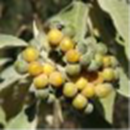
Identification: A large untidy straggly shrub with distinctive large dull grey-green leaves that are velvety above with white felt undersides. The leaves have an off-putting scent. Clusters of purple flowers with yellow centers occur throughout the year. The fruits are borne in compact terminal clusters of berries of 10 mm across, turning yellow when ripe.

Control: Felling and treating the stump with the herbicide Timbrel or Kaput easily kills bugweed. Alternatively, the stump can be frilled, and the frill treated with the same herbicide. Any clearing must have a follow-up program to address the inevitable seed germination.

References: www.invasives.org.za: www.sanbi.org :

www.george .org.za/page/environmental_affairs (search under COMMUNITY SERVICES and NEWS tabs).

May Gardening Tasks

The essentials

  • May is an important month for rose care, as their growth is starting to slow down and they are preparing for dormancy through the winter. Continue to deep water once a week, this can be cut down in the winter rainfall areas of the country.
  • Stop feeding roses, but continue for another month in the Lowveld and KZN where the flowering season is slightly longer.
  • Continue spraying with organic fungicides against black spot, mildew and rust as cooler conditions can encourage these diseases to become more active. 
  • Snails and slugs will be on the lookout for hideaways to overwinter, so have a general clean up under perennials such as Clivias and Agapanthus, as well as around containers, and don’t forget your organic snail bait around newly planted vegetable seedlings!
  • Start planning frost protection for delicate plants in inland areas using frost covers or moving container plants to shelter.
  • Remember to water your newly planted spring bulbs regularly, especially in summer rainfall areas – they must never be allowed to dry out.
  • In the winter rainfall regions, spike lawns deeply using a sharp garden fork. This improves drainage before the heavy winter rain sets in. Apply a bonemeal or superphosphate dressing to help root growth through winter.
  • Plant some winter colors such as Begonia ‘Surefire® and Plectranthus ‘Mona Lavender’ to brighten dull shady corners.

In the edible garden

  • Sow broad beans, radishes, peas, onions, spinach, kale, and lettuce. 
  • There is still time to sow cabbage, cucumbers, peppers, and squashes in the warmer parts of the country, namely KwaZulu-Natal coastal areas and the Lowveld.
  • Last chance to sow herbs such as parsley, sage, rosemary, and thyme.
  • Feed brassicas to give them a good growth boost. Keep a close eye out for aphids – spray regularly with an organic insecticide before they become uncontrollable! 
  • Move wormeries to a sheltered, warm place for the winter.
  • Collect and compost any last rotting fruit under fruit trees.
  • Harvest the last crops of runner beans, courgettes, tomatoes, and aubergines. 
  • Plant rows of ornamental kale between other winter vegetables for a knockout visual effect – grow violas and pansies (good companions to kale) between the rows. Their flowers are edible and beautiful in salads, an added bonus. 
  • Water and mulch delicate leafy crops such as lettuce and mizuna in the dry parts of the country.

Author: Garden and Home www.gardenandhome.co.za

April Gardening Tip

𝐒𝐰𝐞𝐞𝐭 𝐩𝐞𝐚𝐬 𝐚𝐫𝐞 𝐛𝐞𝐬𝐭 𝐬𝐨𝐰𝐧 𝐢𝐧 𝐀𝐩𝐫𝐢𝐥 when the weather has cooled down and will flower in spring.

Soak the seeds overnight in a dilute solution of Kelpak seaweed extract. Sow them in a sunny spot with a trellis or fence to cling to. When the new plants are roughly 15cm tall they can be pinched to encourage more shoots. Watch out for slugs and snails. Apply Kombat Snail Granules or Eco Snail bait to help control them before they inflict damage. Your sweet pea plants will thrive in well-composted, well-drained soil with regular watering (if there’s no rain) and a regular feed of a high potassium fertilizer like Nutrifeed or 3.1.6 Plant food. Regular picking of the flowers encourages more blooms throughout the season.

Tip brought to you by Starke Ayres

Edible Garden Design

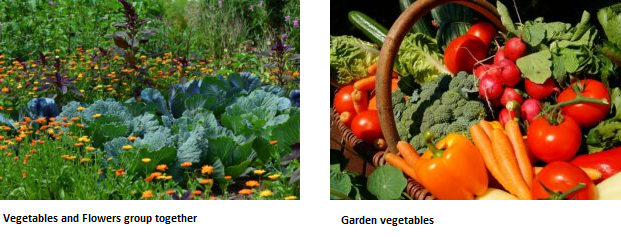
How would you love to have the best of both worlds or can you have the best of both worlds? The answer to that question is YES. When it comes to gardening we are free in letting our imagination run wild as those creative juices flow. There are so many benefits to gardening, but what if we dare to get away from the traditional (growing ornamental Plants) and introduce the new (edible plants) as a landscape design, talk about thinking outside of the box. One major concern when growing food crops is safety, growing our very own edible garden or landscapes puts us in the driver’s seat where we are in full control of growing our food crops in a safe and healthy manner.

Another name for an edible garden is called foodscaping, which simply means integrating edible plants into ornamental landscape. It’s also the crossbreed between landscaping and farming.

How to Landscape with Edible Plants

When it comes to creating a landscape design (with ornamental plants) the first thing that comes to mind is creating something that’s visually appealing which can have a positive impact on our health both mentally and physically. With edible plants, this can also happen but it first starts with a plan.

Gardens with edible Plants

Edible Garden Plan Design

  • Choose ornamental edible plants that are not appealing to wildlife
  • Think about edible plants that will give you a rainbow color effect
  • Go for simplicity which will create balance
  • Considering grouping plants together that has the seem watering needs along with creating beauty and attracting beneficial insects and pollinators
  • Incorporate several containers throughout your edible garden, these containers can have colorful plants installed in them.
  • Adding structures can really bring that flavor, a fence or an arbor is a great idea when it comes to the support of vining fruits
  • Soil does matter, ensure the soil you’re using is the right fit for your edible garden. A good garden soil that has good water drainage is ideal
  • For added nutrients, the use of composting or natural organics such as dry cow, horse or chicken manure, etc… is a must because remember you’re growing foods to be consumed.
  • Garden insect pests can become a problem, when faced with this issue using safe methods such as these homemade remedies or using organic pesticides is the safe way to go
  • The planting location is also important, get to know the light requirements of your edible plants and give them that which will encourage proper plant growth along with providing you with a good harvest

Bonus Points

 Garden plants can be pretty costly, to save on your spending why not start if you prefer with seeds or seedlings which can help you stretch that dollar.

2. Incorporate some edible perennial plants which can save you time especially if you’re always on the go. Some edible perennials include Broccoli, wild leek, grapes, garlic, asparagus, sweet potatoes, sorrel,  artichoke, watercress, blueberries, raspberries, groundnut, sage, chives, catnip, lavender, mint, parsley, fennel, oregano, thyme, lemon balm, lovage, peach, pear, bananas, apricots, apple, citrus, kiwi, nectarine and cherry. Incorporating a few flowering plants will also benefit.

3. Some edible flowering plants include chives, chrysanthemum, lilac, scented-leaved geranium, chamomile, elderflower, rose, hibiscus, squash blossom, nasturtium, daylily, apple blossom, Chamaemelum, begonia, borage, bee balm, anise hyssop, violet, calendula, lavender, and marigold.

The Benefits of an Edible garden

  • Protects the environment and reduces energy inputs
  • Provides convenience
  • Maintaining and edible landscapes can be very recreational, fun, and a good source of exercise
  • Growing your food crops in a safe and healthy way
  • Can help to save those hard-earned dollars.
  • With a more improved taste
  • Eating fresh year-round
  • Having an abundance of food crops available
  • Can help to reduce stress
  • Getting children involved, passing this knowledge on to the next generation
  • Food independence.
  • Some flowers when mixed with vegetables is known to keep animals and bugs at bay

The final word on landscaping with edible plants

Landscaping with edible plants can be so much fun while saving you a ton of money over time, these gardens are making waves as many homeowners are taking advantage of these garden methods. 

author: https://gardenofedengardencenter.com/how-to-landscape-with-edible-plants – Norman

How to create a water wise garden

By planting indigenous and following certain guidelines you can limit water consumption in your garden. Water wise gardens focus on plants that thrive with little water and have certain characteristics that make them water efficient. By knowing these characteristics you’ll be able to decide what you should and shouldn’t plant.

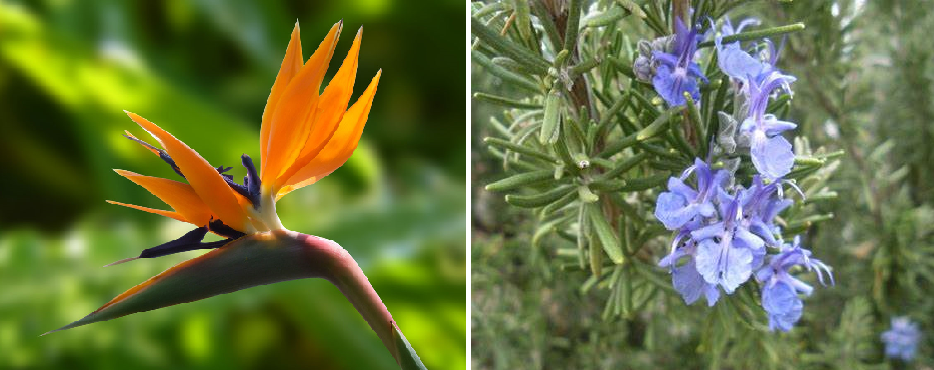
  • Small or needle-like leaves. This minimizes the surface area for water to evaporate. Examples are ericas, most acacias, rosemary, origanum and thyme.
  • Few leaves. Some plants reduce water loss by dispensing with leaves altogether, or shedding during drought. Examples are the karee tree, acacias and buffalo thorn.
  • Grey foliage reflects the sun’s rays, keeping the plant cooler which in turn reduces water loss. Examples are lavender, artemesia, arctotis and giant honey flower.
  • Hairs slow down air movement past the stomata, which reduces water loss. Examples are the silver tree, lamb’s ear, beach salvia and helichrysum.
  • Succulents store water in thick fleshy leaves. Think of crassulas, aloes, echevarias and vygies.
  • The leaves of some plants close when they are water stressed. This reduces the amount of leaf exposed to sunlight and reduces water loss. Examples are acacias, Jerusalem sage and rock rose.
  • Waxy leaves prevent moisture loss. Examples are euonymus, kalanchoe and Indian hawthorn.
  • When ‘stressed’, plants with lighter leaves on one side, turn the lighter side upwards to reflect the sun away. Examples are wild olive tree, gazanias and indigenous buddlejas.
  • Plants with a strong internal skeleton support the leaf and prevents wilting during dry spells. Examples are strelitzia, restios, agaves and New Zealand flax.
  • Volatile oils in the stomata forms an extra protection against water loss. This is common in Mediterranean plants, an area which has hot dry summers. Examples are rosemary, lavender and sage.

Planting water wise plants

  • Group plants with similar water needs together and water these zones separately.
  • A layer of mulch over the bed will keep soil moist for longer, and adding compost increases organic matter which improves the soil’s nutrient level and water-holding capacity.

Water wise lawns

The trend in South Africa is to move away from the excessive use of lawn. Faux grass is gaining popularity and you can read more about it here.

If you do, however, have a lawn, cut grass at a higher level than usual to encourage deep roots and drought tolerance.

Set mowers to cut at these heights:
• Kikuyu: 4-6cm
• Fine grasses (cynodons): 3-4cm
• Cool season evergreen grasses: 5-7cm

Top tip: Never remove more than one third of the leaf blade. Grass becomes weakened if it grows too long between mowings, so cut when the grass is about one-third taller than the recommended height. By doing this less leaf growth is removed, and the lawn is less stressed, thus needing less water.

author: CARINA CLAASSENS DECEMBER 18, 2016

Tips for your summer garden

Getting into good habits throughout the year when it comes to gardening is important to expand the longevity of your plants and your luscious green garden through the hot Summer months and into Autumn and Winter.

Watering

Now is the time for good watering habits. You must start as you mean to go on and picking up good habits now will benefit your garden in the future. The best time to water your plants is early morning or late evening.

This avoids any excess evaporation during the daytime and allows maximum water down through the soil and into the roots. You can look into automatic watering systems and they don’t necessarily have to be the fanciest and most expensive.

Pruning and Fertilizing

The healthiest gardens out there are helped along with the use of fertilizer as soil alone doesn’t provide the needed nutrients, throughout the growing process the soil quality diminishes so giving your soil a helping hand will give you the luscious garden you long for. You may be surprised by this, but fertilizer also helps your plants grow quicker and bigger.

Pruning your plants ensures a long healthy lifespan for your plants including avoiding any diseases they may pick up from being left to grow. It’s important you cut off any dead heads, leaves, twigs, and diseased areas of your plant.

If the plant is particularly large and it’s close to your house and windows you need to make sure if it’s growing thick and fast not to allow any damage to your property and glass by trimming and pruning when appropriate.

Fresh Planting and Weeding

It’s important to plant bulbs as fresh as possible and planting them in early spring gives your bulbs the best fighting start for a long healthy life. A firm bulb with no signs of mold are the best to select, and if you opt for a bigger bulb, you’ll get a bigger bloom. 

Ensure you pull all weeds out by hand, to the last very inch. If you leave any roots behind, they will be back, a lot quicker than you think. Ensure you spray weed killers to kill them off and stop the re-growth. Weeds never look pretty in a garden so making sure you keep on top of it is important to make your Summer garden look bright and beautiful.

 Creating a Summer garden full of fresh plants is a beautiful habitat for inviting new wildlife and pollinating insects to build a new home in your garden. Encouraging new wildlife is so important and a way of improving our planets sustainability and will leave your garden smelling beautifully and looking blooming beautiful in time for the Summer months.

Source: Home & Garden Digest, By Kimberly Crawford